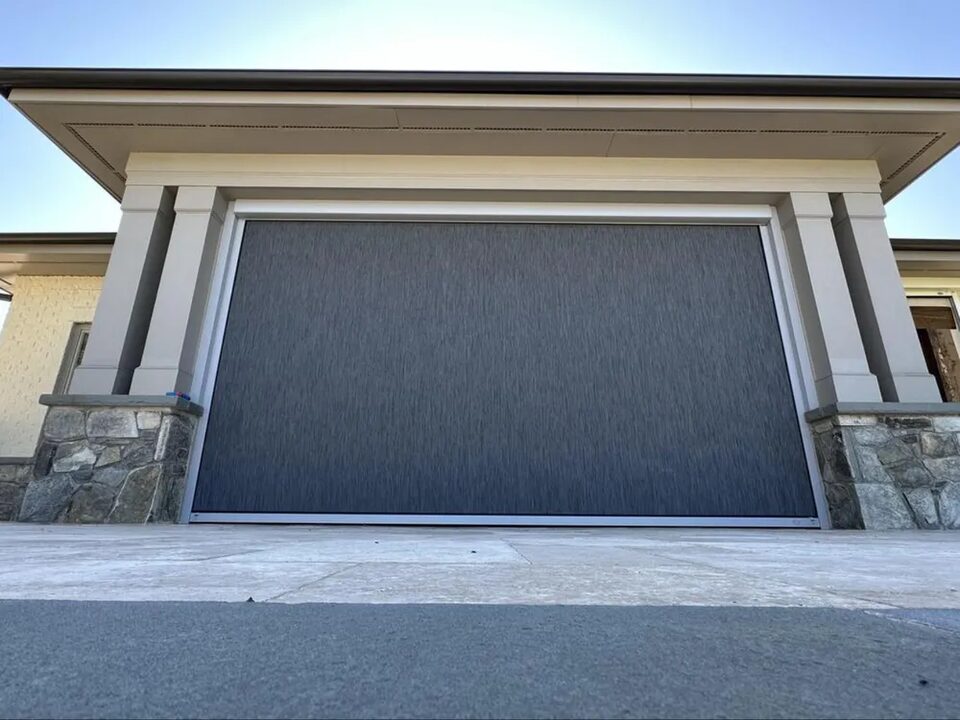
Articles · 2026-01-27
How the MagnaTrack Self-Correcting Screen System Works
Inside the patented magnetic track that resets itself — why MagnaTrack screens have no zippers to tear, no cables to re-tension, and 98 percent fewer service calls.
The problem every retractable screen must solve
A motorized retractable screen is a piece of fabric up to thirty feet wide that has to stay drum-tight across an opening, survive gusts and bumps, and still roll away into a housing on command. The engineering challenge is edge retention: how do you hold the fabric's vertical edges in the side tracks firmly enough to resist wind, but gently enough to allow smooth travel?
The industry's traditional answers each carry a failure mode. Zipper-edge systems sew a zipper tooth strip to the fabric edge; when wind or an impact pops the zipper out of its track, the teeth can tear, and the screen needs a service visit. Cable-tensioned systems rely on cables that stretch over time and require periodic re-tensioning. Both approaches work — until they need a technician.
Magnets that put the screen back themselves
MagnaTrack's answer, protected by US patents 11,421,474 and 9,719,292, is magnetic self-tensioning. The fabric edge carries a retention profile held in the track magnetically rather than by interlocking teeth. When a gust, a dog, or an errant soccer ball deflects the screen, the edge can release without damage — and here is the trick — the magnets guide it back into position automatically as the screen cycles. No torn zipper, no stretched cable, no service call.
That one property is why Progressive Screens, MagnaTrack's Sarasota-based manufacturer, reports 98 percent fewer service calls than conventional screen systems. It is also what lets MagnaTrack handle imperfect openings: because the retention is magnetic rather than a fixed mechanical interlock, the system tolerates floors that are out of level by as much as four inches — common on older patios across Northern Virginia — while keeping a clean seal along the bottom bar.
The rest of the system: motors, controls, housings
The fabric rolls on a tube driven by a tubular motor concealed in the housing. Motor options are matched to the job: Gaposa motors with obstacle detection stop and reverse if the bottom bar meets resistance; Sense tubular motors add wind-gust stop-and-reverse behavior; and the SHSM high-speed option turns at 90 RPM for openings where deployment speed matters. Housings and tracks come in seven standard finishes from White to Night Sky, plus custom RAL color-matching for HOA-sensitive neighborhoods.
Control runs from a Sidekick Gen 2 handheld or flush wall mount up to the Bond Home app, which manages up to 32 screens, and full smart-home integration with Control4, ELAN, RTI, URC, Savant, Crestron, Lutron, Amazon Alexa, Google Assistant, SmartThings, and Josh.ai. Wind and rain sensors can automate retraction entirely. The same platform scales from a single window screen to a 30-by-20-foot lanai opening — and, with Defender fabric, to certified storm protection.
Related products
Keep reading
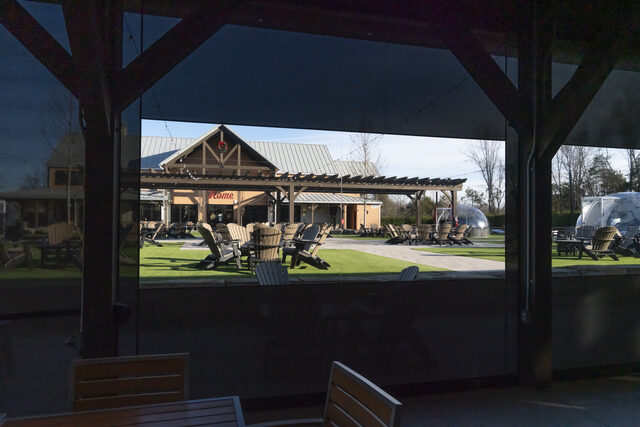
Motorized Screen Cost in Northern Virginia (2026): Typical Prices and the Best Systems
Typical installed costs for motorized retractable screens in 2026, what drives the price, and which system fits your patio. Your firm quote is free.
Read more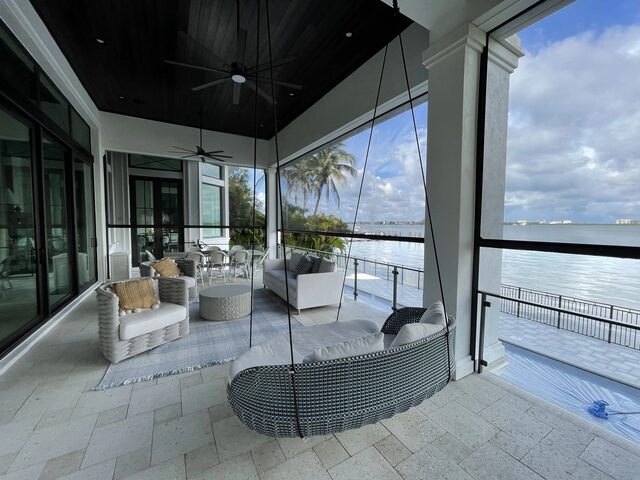
Inside the Roller: Tubular Motors and What Somfy, Gaposa, and Dooya Each Bring
The motor in a motorized screen or awning lives inside the roller tube itself. What that means, and how the motor brands we install differ on safety features and speed.
Read more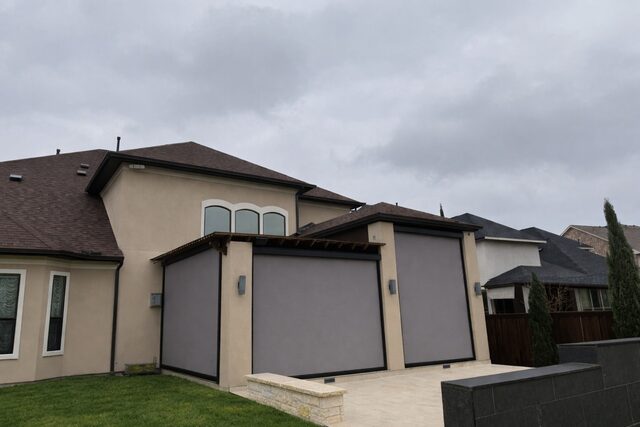
Your West-Facing Patio Doesn't Have to Be Unusable in July
Afternoon sun turns west-facing patios into ovens across the DC suburbs every summer. Solar mesh screens drop surface temperatures 15 to 25 degrees without giving up the view.
Read more