Articles · 2026-11-13
Wind and Storm Ratings for Motorized Screens: What the Numbers Mean
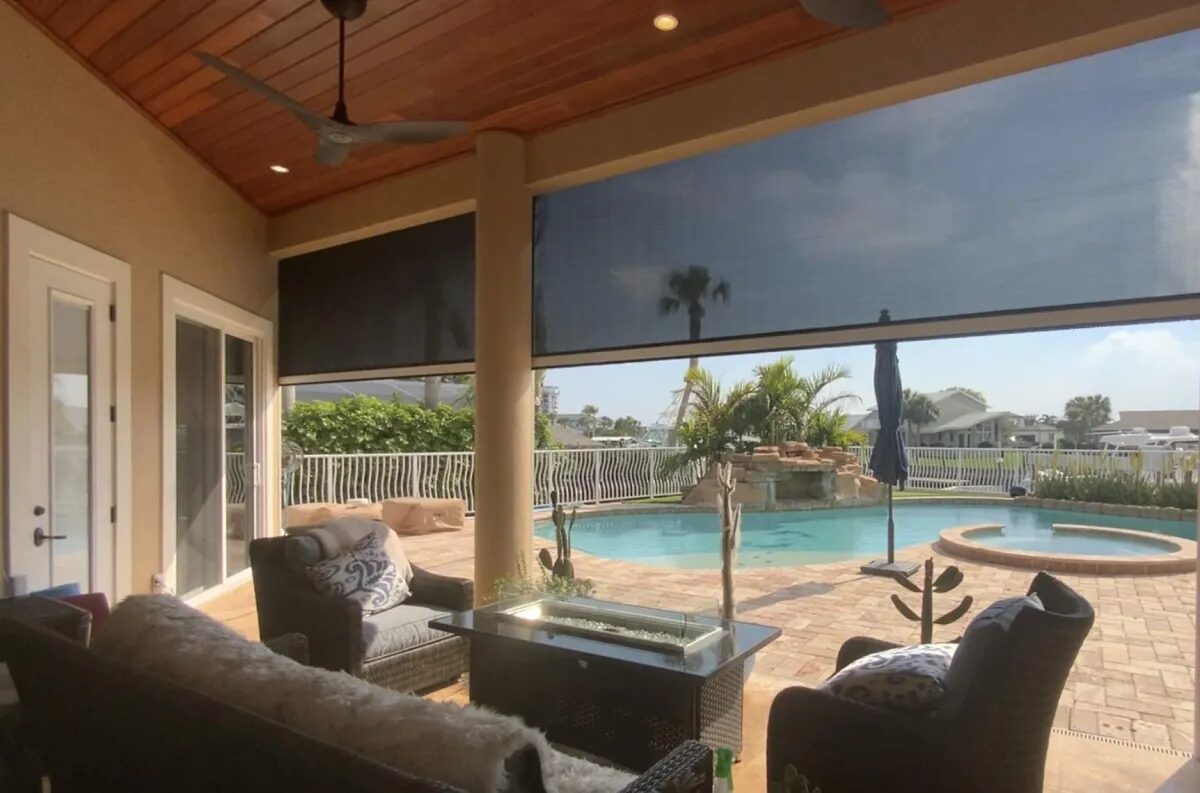
What motorized screen wind ratings mean, certified vs internal testing, how MagnaTrack Defender storm screens are rated, and when to raise screens.
Why wind ratings matter
A motorized screen is a large sheet of fabric held at its edges. When wind blows against it, the fabric acts like a sail, and the force goes into the side tracks, the bottom bar and the fasteners holding everything to the house. A wind rating is the manufacturer's statement of how much of that force the system is built to take before the fabric leaves its tracks or something fails.
The number on a brochure only tells you part of the story. What matters as much is how the number was produced, what it applies to, and what the screen is expected to do above it.
Certified ratings vs internal testing
There are two kinds of wind figures in this industry:
- Manufacturer internal testing. The manufacturer tests its own product and publishes the result. This is honest information, but it is not independently verified, and test methods differ between brands. For example, V-Track's solar screens are listed at 100+ mph in the manufacturer's internal testing, which is not a hurricane rating.
- Third-party certification. The assembled system is tested to published standards and approved by a building authority. MagnaTrack Defender storm screens hold Florida Product Approval FL30798 from the Florida Building Commission and comply with the Miami-Dade standard.
When you compare two screens, ask which kind of figure you are looking at. A certified rating and an internal test result are not the same claim.
How MagnaTrack screens are rated
Standard MagnaTrack residential screens are rated to 75 mph. Their magnetic tracks add a second layer of protection: if a gust pushes the fabric edge out of the track, the edge can release without tearing and the magnets draw it back into place as the screen cycles.
MagnaTrack Defender storm screens are a different class of product. They use OmegaTex Defender fabric woven with DuPont Kevlar, heat resistant to 800°F, and the assembled system is certified to hurricane-grade standards.
| Rating | Value |
|---|---|
| Wind | Category 5, 157+ mph |
| Design pressure | ±200 PSF |
| Impact and pressure tests | TAS 201, 202 and 203; ASTM E330, E1886 and E1996 |
| Approvals | Florida Product Approval FL30798; Miami-Dade and Florida Building Code compliant |
| Fabric | OmegaTex Defender (DuPont Kevlar), heat resistant to 800°F |
Manufacturer and approval data for the MagnaTrack Defender system.
What the test standards measure
The standards in a storm screen's approval describe different stresses:
- Design pressure (PSF). The steady wind pressure, pushing in and pulling out, that the system is designed to resist. Plus or minus 200 pounds per square foot is a very high figure for a screen.
- ASTM E330. A structural test that applies uniform static air pressure to the assembly.
- ASTM E1886 and E1996. Test methods and specifications for resistance to wind-borne debris impact followed by cyclic pressure, the pattern a real storm produces.
- TAS 201, 202 and 203. Florida testing protocols for large-missile impact, uniform static pressure and cyclic wind pressure.
Together they test whether the screen holds steady pressure, survives being hit by flying debris, and keeps holding through the repeated gusts that follow.
What this means in Virginia, Maryland and DC
Our region does not see Category 5 winds. Its severe weather comes from derechos, severe thunderstorms with straight-line winds, and nor'easters. For most tree-sheltered suburban lots, standard screens rated to 75 mph are the right choice, as long as they are raised when a severe storm is on the way.
Defender is for properties that take the full force: open-country homes, ridge-line and hilltop builds, and lots facing long open ground where wind-blown debris threatens glass and porch openings. A system certified to 157+ mph treats the region's worst gust front with a large margin, and it rolls down over every opening in under a minute when a watch is issued. Read do I really need storm screens in Virginia? and our storm season guide.
When to raise your screens
Ratings tell you what a screen can survive, not how you should use it every day. Good habits:
- Raise standard fabric screens before severe thunderstorms, high wind warnings and heavy snow. A wind sensor can do this automatically.
- Raise screens if ice is forming in the tracks.
- Keep the tracks clear of leaves and debris so the bottom bar seats properly.
- Defender screens are designed to stay down in a storm as protection, so lower them, not raise them, when a severe storm approaches an exposed property.
Wind sensors are available on MagnaTrack and V-Track systems and are one of the most useful options you can add.
What storm screens cost
Across the market, a MagnaTrack Defender storm screen typically costs $5,500 to $14,000 per opening installed for an opening about 12 feet wide and 10 feet tall, compared with $4,500 to $12,000 for a standard MagnaTrack residential screen. These are market ranges, not American Light Design's prices. See the cost guide for details.
Frequently asked questions
What wind speed can motorized screens handle?
It depends on the system and how the number was produced. Standard MagnaTrack screens are rated to 75 mph, and MagnaTrack Defender storm screens are certified to Category 5 winds of 157 mph and above. Some other figures in the industry come from the manufacturer's internal testing rather than certification.
Are MagnaTrack Defender screens hurricane screens?
Yes. Defender screens are certified to hurricane-grade standards, with Florida Product Approval FL30798 and Miami-Dade compliance, and are tested for wind-borne debris impact.
Should I leave motorized screens down in a storm?
Raise standard fabric screens before severe storms. Defender storm screens are built to be lowered as protection.
Get advice for your property
Not sure whether your home needs storm-rated screens? It is a short conversation at a free consultation. We will look at the exposure of each opening and recommend what fits. Request a free quote or schedule a consultation.
Related products
Keep reading
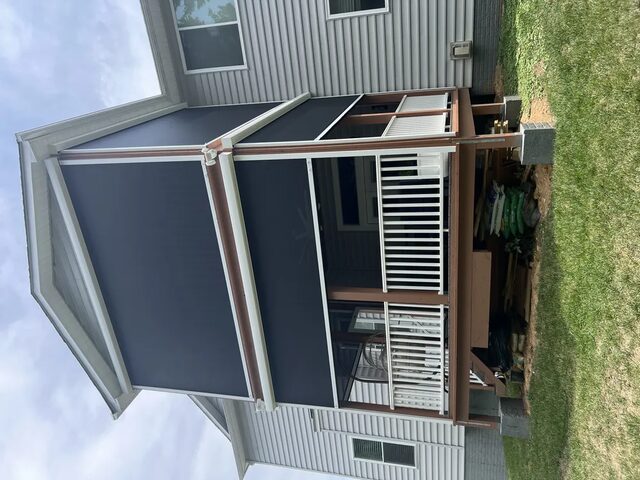
Motorized Porch Screens: Options, Costs and How to Plan Them
Motorized porch screens explained: fabrics, track systems, power, recessed installs, typical costs and how to plan a screened porch that opens up.
Read more
Best Motorized Retractable Screens (2026): MagnaTrack Reviews, Costs and How the Top Systems Compare
How the top motorized retractable screens differ, what MagnaTrack owners say in real reviews, typical 2026 costs, and how to compare brands fairly.
Read more
Motorized Screen Cost in Northern Virginia (2026): Typical Prices and the Best Systems
Typical installed costs for motorized retractable screens in 2026, what drives the price, and which system fits your patio. Your firm quote is free.
Read more