FAQs · 2026-03-16
What makes the Open-Roll different from cassette awnings?
No housing over the roll — which is why it costs less, and why placement decides whether it is the smart buy.
What makes the Open-Roll different from cassette awnings?
The Open-Roll skips the protective housing: the roller tube and rolled fabric sit exposed on the wall, with an optional hood available that covers roughly half. Mechanically it is the same motorized retractable awning — anti-corrosion aluminum frame, Sunbrella fabric, Dooya or Somfy tubular motor — which is why it delivers the same shade for noticeably less money. It comes in set sizes from 10 by 8 feet up to 20 by 10, with pitch adjusted by manual crank, and carries a 5-year non-prorated, transferable warranty on hardware, fabric, and motor.
The trade is weather exposure while retracted, which is why placement decides the value: under a roof overhang, soffit, or second-story deck, the structure above protects the roll and the Open-Roll is simply the smart buy. On a fully exposed wall, the cassette styles — which enclose some or all of the mechanism — earn their premium.
Related products
Keep reading
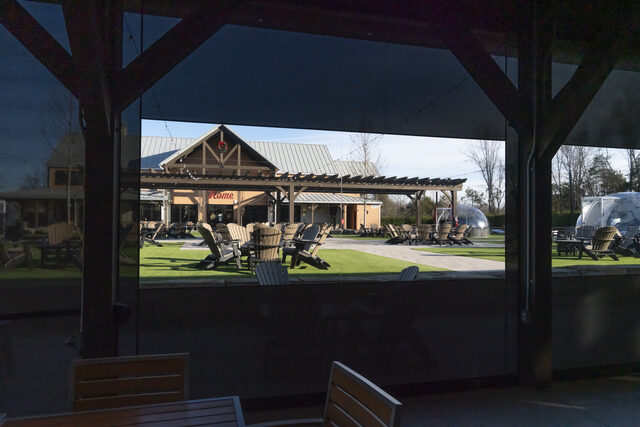
Motorized Screen Cost in Northern Virginia (2026): Typical Prices and the Best Systems
Typical installed costs for motorized retractable screens in 2026, what drives the price, and which system fits your patio. Your firm quote is free.
Read more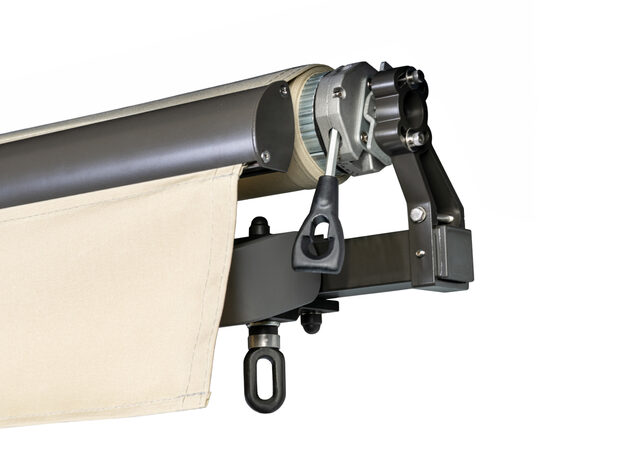
How do I adjust the pitch on an Open-Roll awning?
A manual crank sets the fabric angle — how pitch works, and when to change it through the seasons.
Read more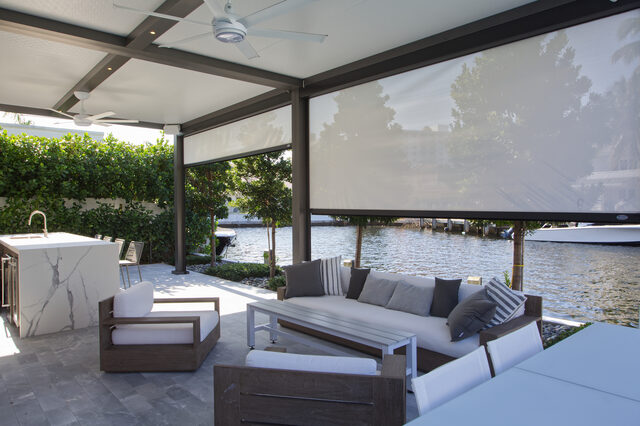
Where should an Open-Roll awning be installed?
Sheltered locations — under overhangs, soffits, and upper decks — and the honest rule for exposed walls.
Read more