Blog · 2026-01-13
Keeping Restaurant Patio Seats Open Through a Mid-Atlantic Winter
Every cold month your patio sits closed is revenue you built and can't sell. How clear vinyl enclosures keep DC-area outdoor seating in service year-round.
The math of a closed patio
If your restaurant, brewery, or club added patio seating in the last few years, you already know what those tables are worth from April to October. The harder question is what they cost you from November to March, when the same square footage sits empty behind a rope. For many DC-area operators, the patio represents twenty to forty percent of total covers — capacity that vanishes for roughly five months.
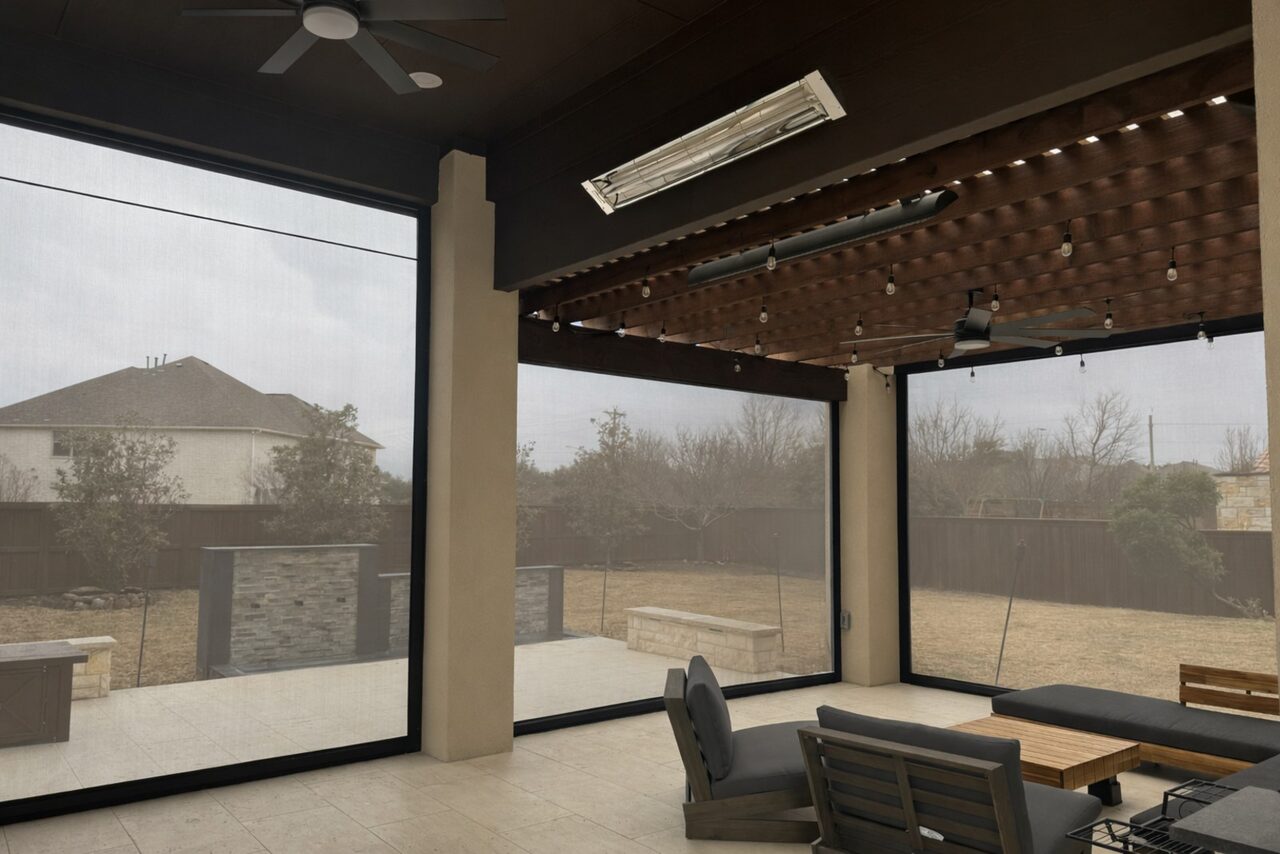
A motorized enclosure changes that arithmetic. Clear vinyl panels block one hundred percent of wind and rain, which means a patio with heat can hold comfortable temperatures on a January evening in Arlington or Bethesda. The screens retract at the touch of a button, so the same space converts back to open-air seating on the first mild afternoon — no seasonal build-out, no plastic sheeting stapled to a frame.
Clear vinyl, built for commercial abuse
Not all vinyl is equal, and a commercial patio is a hard environment: chairs bump it, staff brush past it a hundred times a night, and it cycles up and down daily. V-Track's vinyl line comes in tiers for exactly this reason — clear, tinted smoke, heavy-duty reinforced, and a restaurant-grade tier — each with a black heat-welded border reinforcing the edges. The keder retention system holds the panel continuously along the tracks, so there are no zipper teeth to strip under daily use.
On the MagnaTrack side, commercial systems cover openings up to 26 feet wide and 16 feet tall with clear or tinted vinyl, and the self-correcting magnetic tracks are the reason the manufacturer reports 98 percent fewer service calls than conventional systems. For a business, that statistic translates directly: fewer service visits means fewer nights with a panel out of commission.
What to plan for before the install
Three practical notes from commercial projects around Northern Virginia and DC. First, heat: vinyl blocks wind and rain but is not insulation, so plan the enclosure and your heater layout together — an enclosed, wind-free space makes every BTU count far more than an open one. Second, power: motorized systems need electrical supply at the housing, which is easiest to run before the busy season, not during it. Third, permitting and landlord approvals vary by jurisdiction across Fairfax County, Arlington, Alexandria, and the District — start that conversation early.
We install and service commercial systems across our Virginia, Maryland, and DC service area, and a consultation now puts you in front of next winter instead of behind this one.
Related products
Keep reading
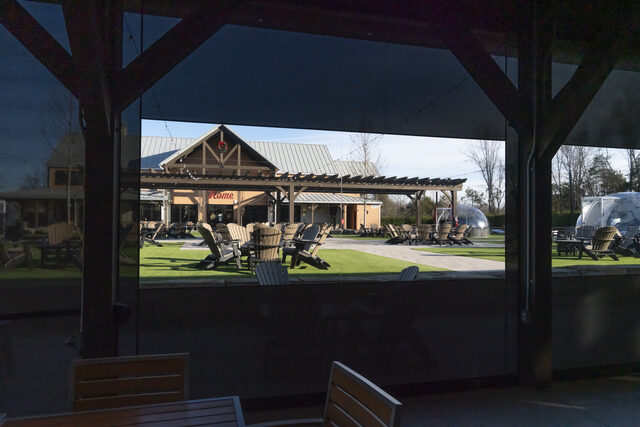
Motorized Screen Cost in Northern Virginia (2026): Typical Prices and the Best Systems
Typical installed costs for motorized retractable screens in 2026, what drives the price, and which system fits your patio. Your firm quote is free.
Read more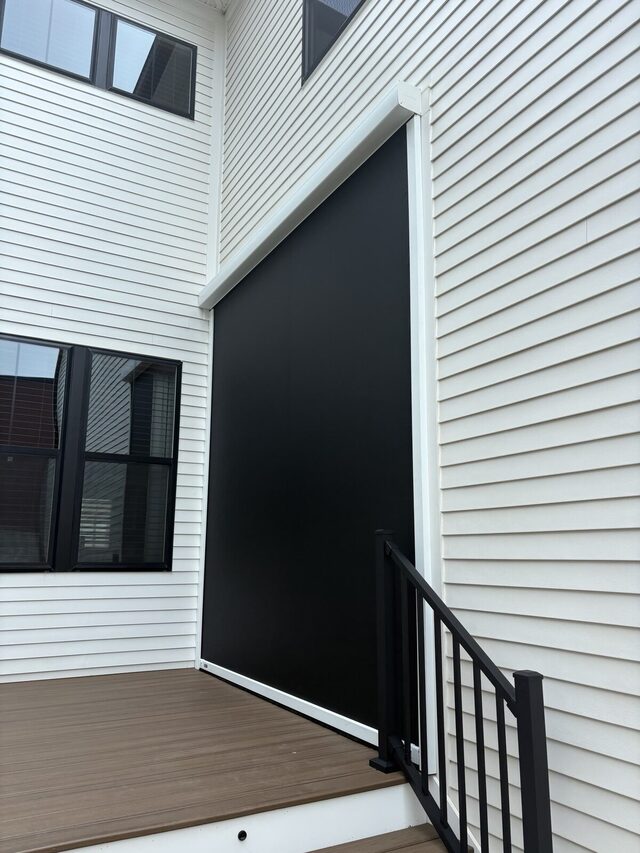
A Business Owner's Guide to Motorized Patio Enclosures
For restaurants, breweries, clubs, and HOAs across the DC area: what motorized screens do for capacity and comfort, how to choose between vinyl and solar mesh, and what to plan before installation.
Read more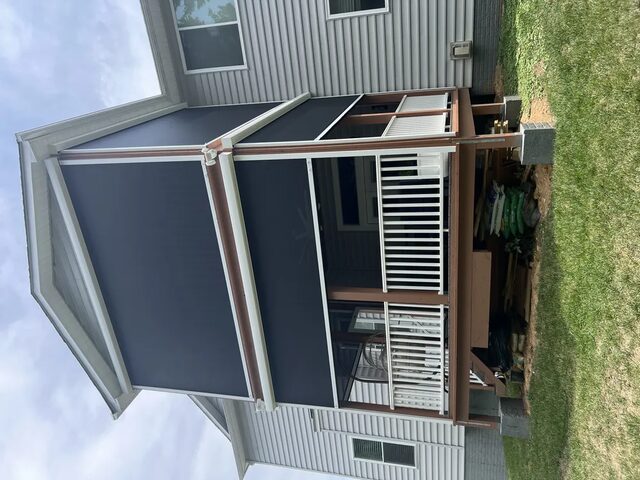
Will motorized screens hold up to daily commercial use?
What daily cycling, staff traffic, and weather do to a screen system — and why the self-correcting track was built for exactly that.
Read more